

It Starts with a 3‑Second Tap
Apostas Esportivas no Brasil: Guia Prático para Iniciantes
2026 年 11 月 25 日Casinos online en Argentina: acceso, depósitos y retiros en pesos
2026 年 11 月 25 日On a rainy London morning, I opened a game that took less than three seconds to launch and was already halfway through a level that felt like a mini‑adventure. That speed of access is what sets mobile gaming apart from any other form of entertainment in the UK. By the end of the year, the industry generated £1.6 billion in revenue, a 12 % jump from 2023, showing how quickly people are willing to spend on on‑the‑go experiences.
Gamers Are Now a New Audience Segment
Where once the “gaming crowd” was mostly male and under 30, mobile titles now attract 58 % female players and 45 % of users aged 35‑54. A recent survey by the UK Games Forum found that 73 % of respondents play on a phone or tablet at least once a week. This shift has pushed traditional broadcasters to add game‑based quizzes and interactive polls to their digital channels, creating a hybrid entertainment model that blends passive viewing with active participation.
Monetisation Models That Work
Unlike console or PC games that rely on upfront purchases, mobile titles often use a “freemium” model. In 2024, in‑app purchases accounted for 68 % of the mobile gaming market’s revenue, with cosmetic items and time‑saving boosters topping the list. A small but growing segment—subscription services like “Play Pass”—offers unlimited access to a curated library for £5.99 a month, mirroring the success of streaming giants such as Netflix.
Cross‑Platform Storytelling
Story arcs that begin on a smartphone now continue on smart TVs, tablets, and even AR glasses. For instance, the narrative of “Dragon Quest: Legends” started as a 5‑minute mobile quest, expanded into a full‑length game on PlayStation, and finally delivered a live‑action theatre performance in London. This cross‑platform approach keeps audiences engaged across multiple touchpoints, turning a single game into a multi‑medium franchise.
Mobile Gaming Meets Traditional Entertainment
When a blockbuster film releases, studios often partner with mobile developers to create companion apps that let fans unlock exclusive content. These apps not only boost box‑office engagement but also generate an additional £120 m in revenue per major release. The synergy between film, music, and gaming is reshaping how audiences consume stories.
From Pixels to Physical Spaces
Arcade bars and coffee shops are now installing touch‑screen tables that double as gaming stations, offering patrons a chance to play while they sip coffee. A recent case study in Manchester showed that a local café increased footfall by 27 % after adding a mobile‑gaming lounge. The trend points to a future where public spaces become hybrid entertainment hubs, blurring the line between digital and physical play.
How Mobile Gaming Is Shaping the UK’s Entertainment Landscape
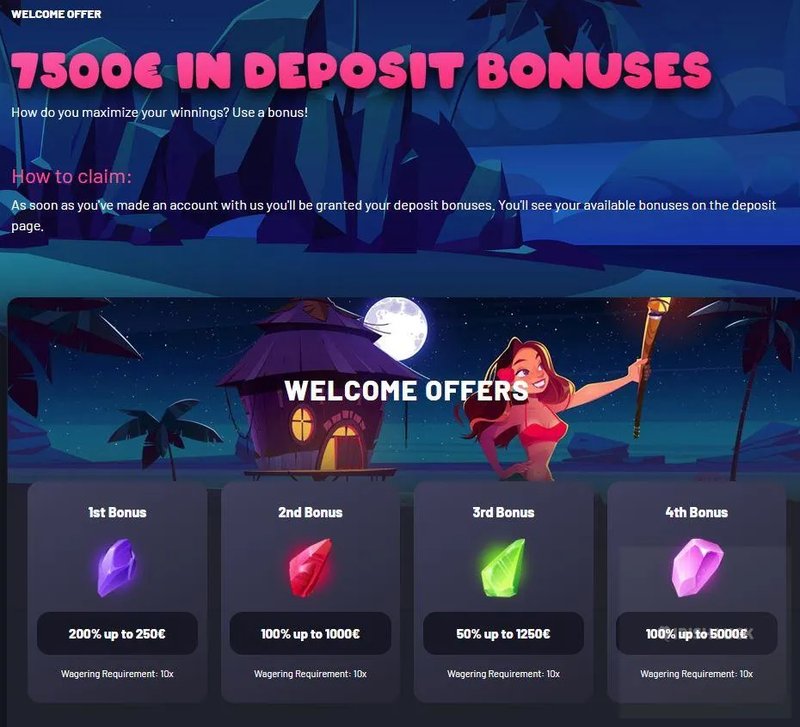
One of the most unexpected intersections has been the rise of online gaming platforms that cater to casual players. These sites blend casino-style games with social features, creating a new form of entertainment that feels less like gambling and more like a community event. If you’re curious about how this trend extends into the world of online casinos, you might find it interesting to explore Seven Casino as a case study of how traditional casino elements are being reimagined for the mobile audience.
The Bottom Line
Mobile gaming is no longer a niche hobby; it’s a mainstream force that drives revenue, shapes consumer habits, and creates new opportunities for cross‑industry collaboration. As the UK’s entertainment ecosystem continues to evolve, the next big shift will likely come from the integration of augmented reality and cloud gaming, promising even richer experiences that start with a simple tap on a screen.
